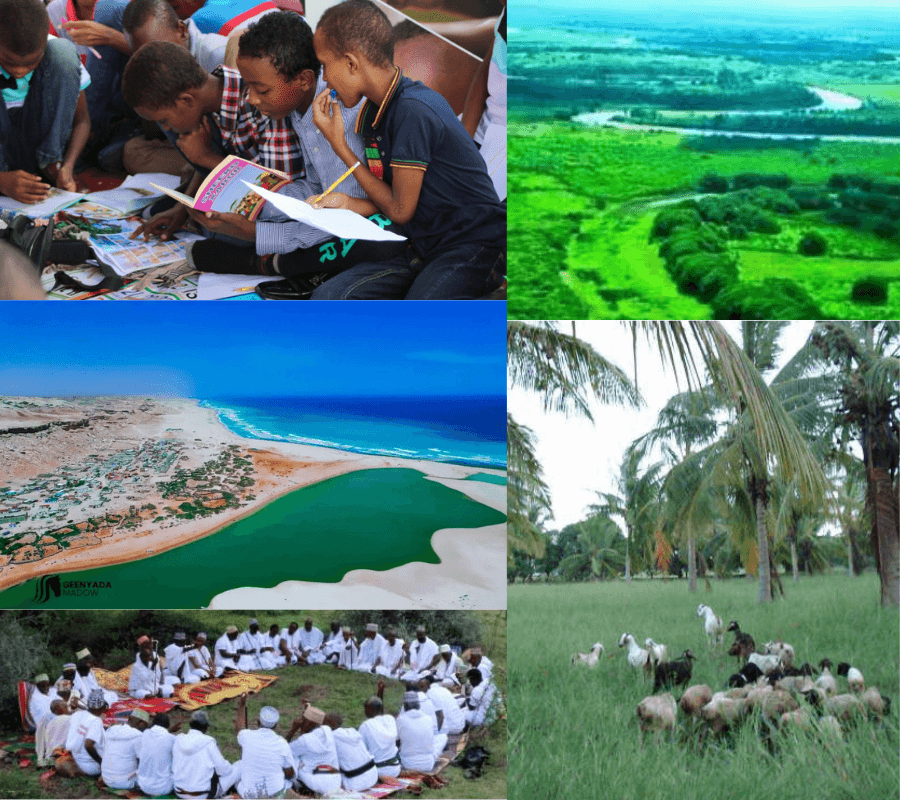
Booqo Soomaaliya
Visit & discover the Somali world
Somalia and the wider Somali region have one of the oldest continuous cultures in the Horn of Africa: rock art thousands of years old, ancient trading ports on two seas, a living tradition of poetry, and a people known for hospitality. This guide is for travellers and researchers who want to understand the people and the land before they arrive.
Hagahan waxaa loogu talagalay socdaalayaasha iyo cilmi-baarayaasha doonaya inay bartaan dadka iyo dalka Soomaaliyeed ka hor intaanay iman.
Dadka iyo bulshada
People & society
Somali society rests on extended family and clan ties, and on a shared language, faith and pastoral heritage. Many Somalis now live in cities and in a large global diaspora, but the values of the nomadic past — self-reliance, generosity and loyalty to kin — remain strong.
Oral poetry has long been the most respected art form. Poets were historians, diplomats and critics, and verses were memorised and carried across the land; this is why the Somalis are sometimes called “a nation of poets”. The poem chains in this archive, such as Guba, are conversations between poets that unfolded over years.
Diinta iyo caadooyinka
Faith & customs
- Almost all Somalis are Sunni Muslims, and faith shapes daily life — from the five daily prayers to dress and diet.
- Friday is the weekly day of rest and congregational prayer; many businesses close around midday.
- During Ramadan, avoid eating, drinking or smoking in public during daylight. Evenings are lively, with families breaking the fast together.
- Dress modestly: shoulders and knees covered for everyone. Women usually cover their hair, and visitors are expected to do so in mosques.
- Alcohol is not part of public life, and pork is not eaten.
Martiqaadka iyo edebta
Hospitality & etiquette
- Greet with “Asalaamu calaykum”; the reply is “Wacalaykum salaam”. Between men and women, wait for the other person to offer a hand before shaking it.
- Hospitality is a point of honour. Accepting a cup of tea (shaah) is the usual way to begin a visit.
- Always ask before photographing people, homes or places of worship, and accept a refusal gracefully.
- Elders are spoken to with particular respect; let them speak first.
- Use your right hand to eat and to pass or receive things.
Dalka, cimilada iyo xilliyada
Land, climate & seasons
The Somali territories run along the longest coastline of mainland Africa, from the Gulf of Aden round to the Indian Ocean. Inland are dry plains and savannah, cooler highlands and juniper forest in the north, and the Jubba and Shabelle rivers, which water the farmland of the south.
Herding is at the heart of the culture: Somalis keep one of the largest camel herds in the world, along with goats, sheep and cattle. On the dry slopes of the north-east grow the frankincense and myrrh trees whose resin has been traded for thousands of years.
The year follows four seasons, defined by the rains:
- 1
Jiilaal
December – March
The long dry season, hot and hard on herds and herders.
- 2
Gu’
April – June
The main rains. Pasture returns; a season of plenty.
- 3
Xagaa
July – September
Dry and windy: cooler on the southern coast, very hot in the north.
- 4
Deyr
October – November
The short rains.
Cuntada iyo cabitaanka
Food & drink
- Canjeero / Laxoox
- Thin, spongy pancakes, usually eaten at breakfast.
- Bariis iskukaris
- Spiced rice, often served with meat — and, in the south, a banana on the side.
- Hilib ari
- Goat meat, slow-cooked or roasted, for guests and celebrations.
- Shaah
- Sweet spiced tea with milk, the centre of social life.
- Xalwo
- A sweet, glossy confection served at weddings and at Eid.
- Sambuusa
- Fried, filled pastries, especially at the evening meal in Ramadan.
Erayo Af Soomaali ah
A few words of Somali
Somali is written in the Latin alphabet. “C” is a sound from the throat (like the Arabic ʿayn), “x” is a breathy h, “dh” is a d with the tongue curled back, and doubled vowels are long.
| Asalaamu calaykum | Peace be upon you (hello) |
|---|---|
| Iska warran? | How are you? / What’s the news? |
| Waan fiicanahay | I’m well |
| Mahadsanid | Thank you |
| Haa / Maya | Yes / No |
| Fadlan | Please |
| Magacaa? | What is your name? |
| Magacaygu waa … | My name is … |
| Immisa? | How much? |
| Biyo / Shaah | Water / Tea |
| Raalli ahow | Sorry / Excuse me |
| Nabad gelyo | Goodbye |
Goobaha
Places
Cities, coasts and heritage sites, with the works in the archive that come from each.
City · Magaalo
Muqdisho
Mogadishu
The capital, a coastal city with a long history. The old quarters of Hamar Weyne and Shingaani hold buildings that are centuries old.

Heritage site · Goob taariikhi ah
Laas Geel
Rock shelters outside Hargeisa painted with vivid scenes of cattle and people thousands of years ago, among the best-preserved rock art in Africa.
1 work in the archive
City · Magaalo
Hargeysa
Hargeisa
A large city in the north-west of the Somali territories, known for its markets and its annual international book fair.
Coast · Xeeb
Berbera
An ancient port on the Gulf of Aden with historic buildings and long beaches.
Heritage site · Goob taariikhi ah
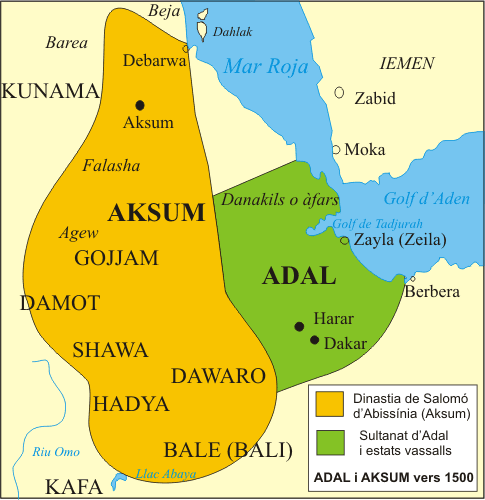
Saylac
Zeila
One of the oldest ports in the Horn of Africa, a centre of trade and learning in the era of the Adal Sultanate.
1 work in the archive
Nature · Dabeecad
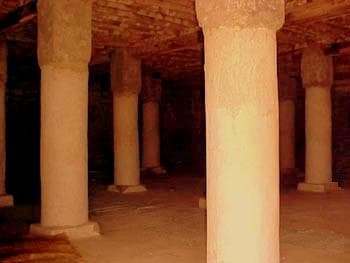
Xaafuun
Hafun
A peninsula in the north-east and the easternmost point of mainland Africa.
1 work in the archive
Nature · Dabeecad
Ceerigaabo
Erigavo
A highland town in the north near the Daallo forest, with a cool climate and tall juniper woodland.
Town · Magaalo
Beledweyne
A town on the Shabelle River whose farms grow bananas, maize and vegetables.
1 work in the archive
Coast · Xeeb
Marka
An old town on the Benadir coast with whitewashed stone architecture.
Heritage site · Goob taariikhi ah
Baraawe
Barawa
One of the oldest towns of the Benadir coast, known for its scholars and its own language, Chimwiini.
Coast · Xeeb
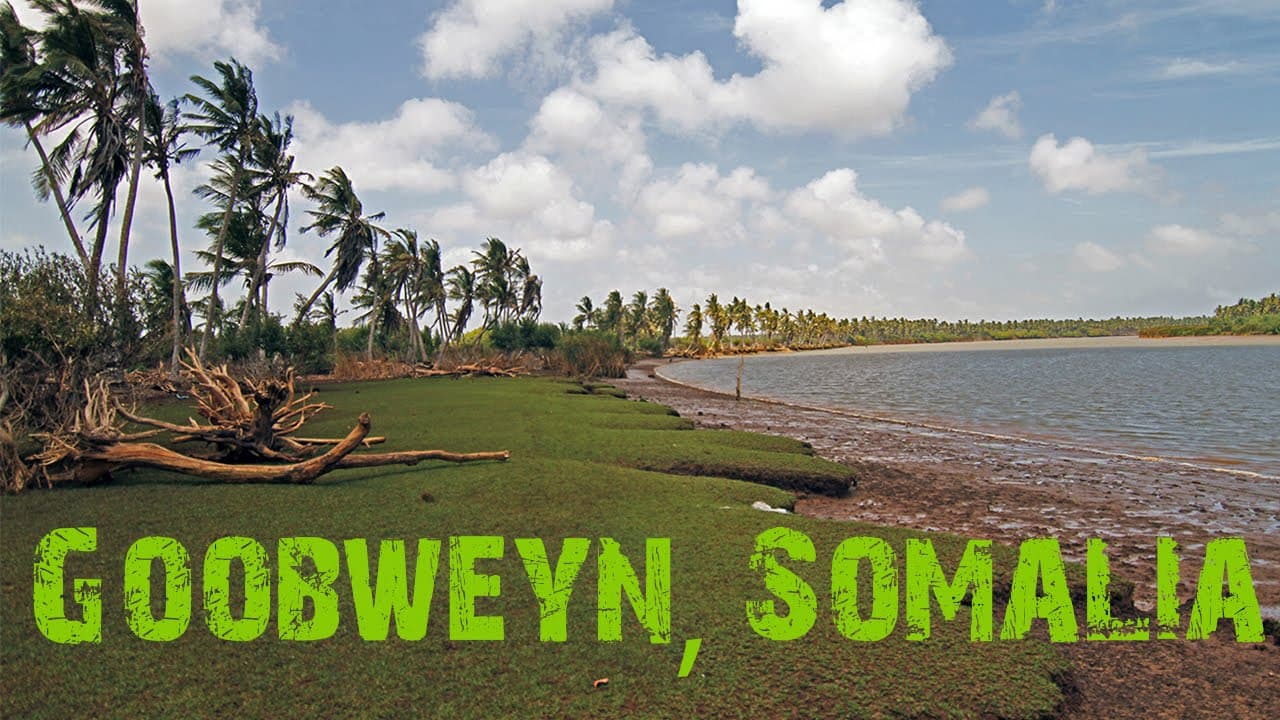
Kismaayo
Kismayo
A southern port city near the mouth of the Jubba River and the Bajuni Islands.
1 work in the archive
Nature · Dabeecad
Jasiiradaha Bajuuni
Bajuni Islands
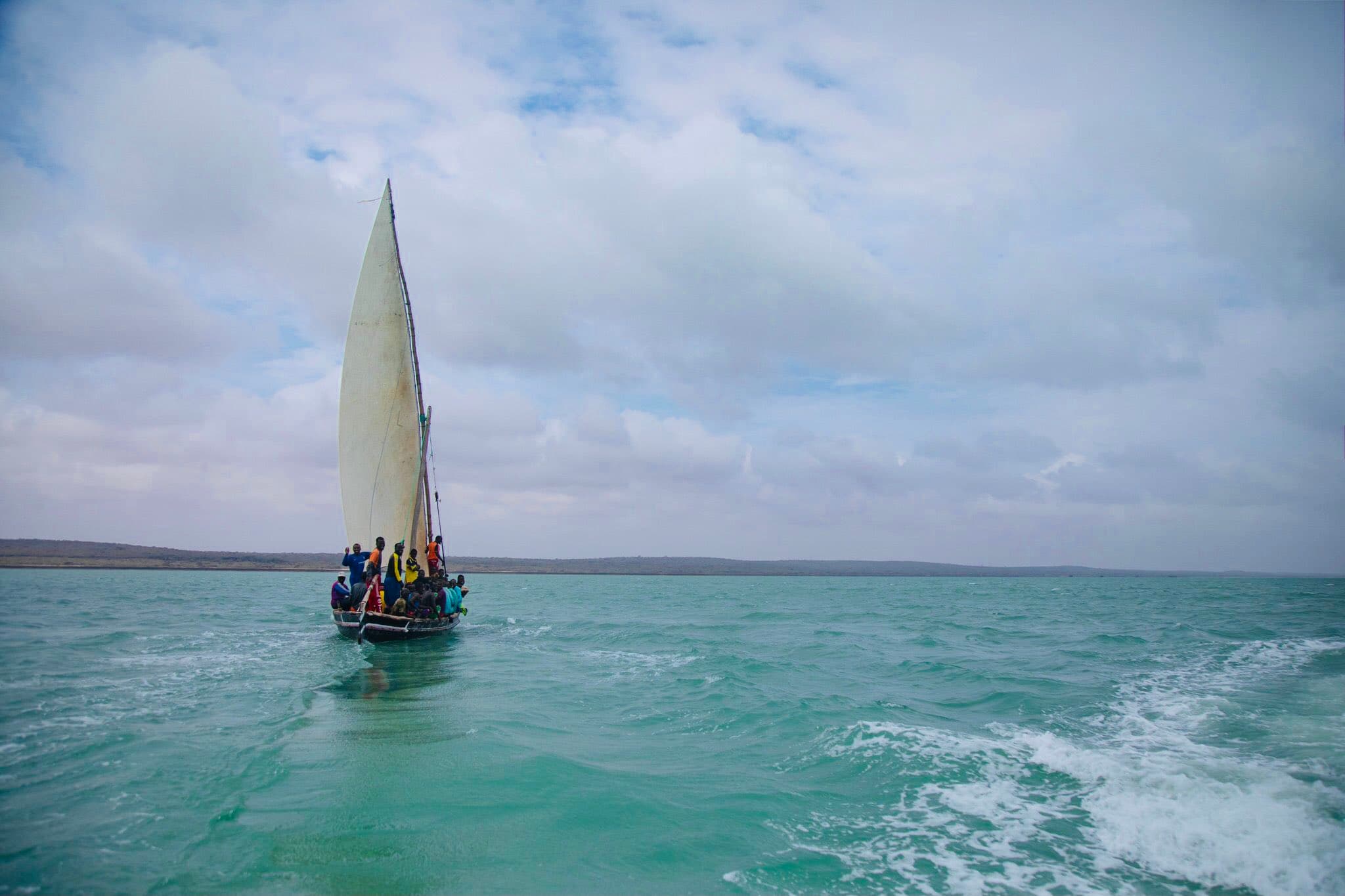
A chain of small islands along the southern coast, including Kooyaame, known for clear water and fishing communities.
1 work in the archive
Si mas’uuliyad leh u qorshee
Plan responsibly
- Security conditions differ greatly between areas and can change quickly. Read your government’s current travel advice when you start planning and again before you leave.
- Entry requirements and permits differ between areas. Arrange them in advance through official channels.
- Travel with a trusted local host or guide and follow their advice.
- Spend locally: guides, guesthouses, craftspeople and markets.
- Heritage sites such as Laas Geel are fragile. Never touch rock paintings, and visit with the site’s guardians.
Cilmi-baarayaasha
For researchers
- Every work lists its source and rights status where known, and has a ready-made citation under “Cite”.
- Search the archive by poet, place, category or era, and follow series such as the Guba poem chain in order.
- Oral traditions belong to communities. Credit poets and reciters by name and ask permission before recording.
- Where rights are marked as unknown, contact us before republishing.
To consult original files or contribute material, write toinfo@hiildhaxal.online